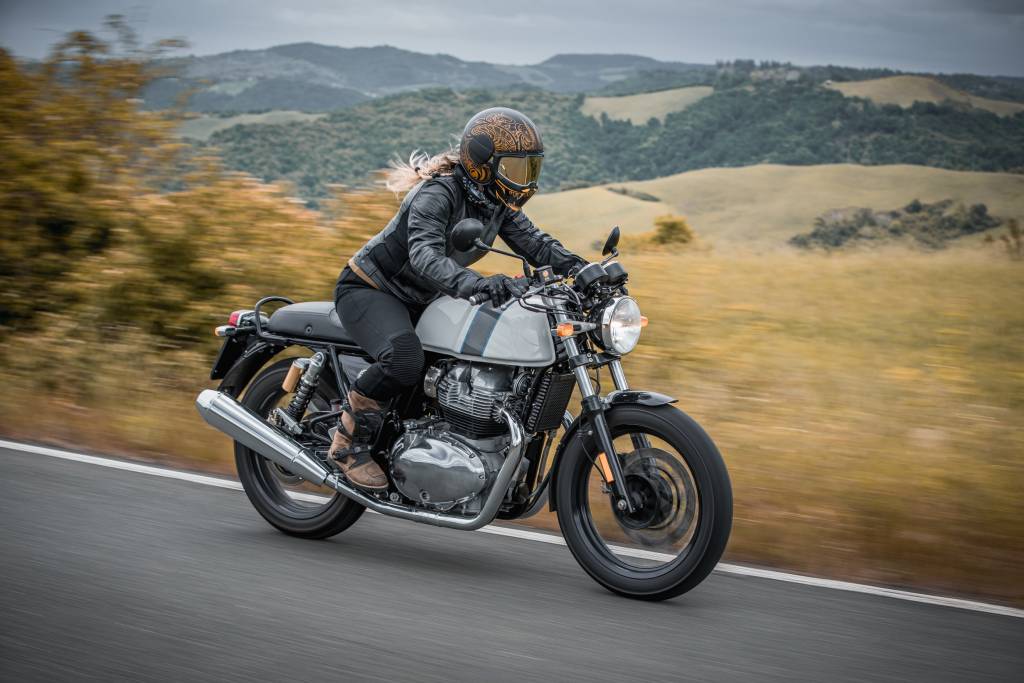
TL;DR: Getting your California motorcycle license requires understanding the different license types, taking safety courses, and passing written and skills tests. This blog breaks down the step-by-step process to help you get licensed and legally ride on California roads.
- Learn the difference between M1 and M2 motorcycle licenses in California
- Follow specific licensing steps depending on your age (under 21 vs. 21 and older)
- Pass the written exam based on the California Motorcycle Handbook
- Take the skills test or complete the California Motorcycle Safety Program (CMSP)
- Get your motorcycle registered and receive your California motorcycle license plate
Riding a motorcycle in California isn’t just a thrilling way to travel—it’s also a responsibility that requires the right training and licensing. If you’re ready to hit the road on two wheels, this guide will show you exactly how to get a motorcycle license in California, whether you’re over or under 21. We’ll also explain the different license types, what the California motorcycle license test involves, and how to legally plate your bike.
Understanding California Motorcycle License Types
Before you apply, it’s important to understand the two main types of motorcycle licenses in California:
- M1 License: Allows you to operate any two-wheeled motorcycle and motorized scooter.
- M2 License: Restricts you to motorized bicycles, mopeds, and scooters only.
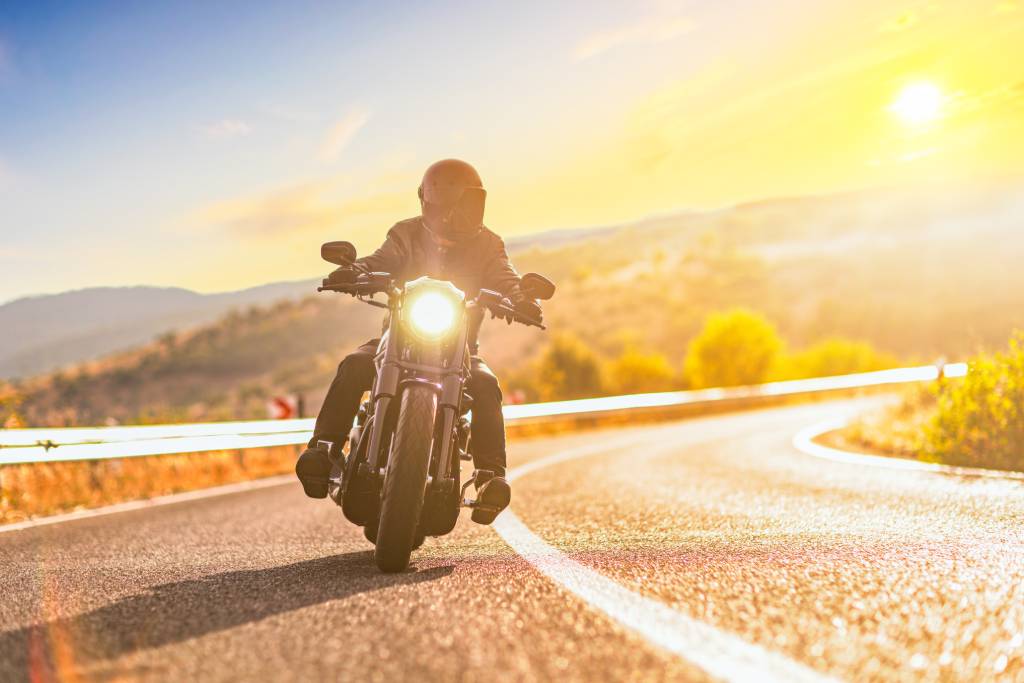
Most riders will want the M1 motorcycle license in California, especially if you plan to ride a full-sized motorcycle on freeways.
Step 1: Requirements for Riders Under and Over 21
If You’re Under 21
Wondering how to get a motorcycle license in California under 21? The state has stricter requirements for younger riders to improve safety.
You must:
- Be at least 15½ years old.
- Complete the California Motorcycle Safety Program (CMSP), which includes classroom instruction and hands-on riding experience.
- Hold a motorcycle permit for at least six months before applying for a full license.
The CMSP course is required by law for riders under 21 and is highly recommended even for older riders. It prepares you for the road, improves your skills, and may help you pass the California motorcycle license test more easily.
If You’re 21 or Older
If you’re over 21, you have two options:
- Take and pass the CMSP course, then waive the DMV skills test.
- Take the DMV motorcycle driving test directly after getting your permit.
Either way, you must:
- Pass a vision screening.
- Pass a written test based on the California Motorcycle Handbook.
- Obtain a motorcycle learner’s permit before testing on the road.
Step 2: The California Motorcycle License Test
To legally ride in California, you’ll need to pass a written and skills test unless you complete CMSP. Let’s break down what’s involved:
The Written Test
The written test covers key safety topics found in the California Motorcycle Handbook. You’ll need to answer questions about:
- Safe riding practices
- Lane positioning
- Handling emergencies
- California motorcycle laws
The test is multiple choice, and you’ll need a strong understanding of motorcycle operation and road safety to pass.
The Skills Test
The skills test is conducted at a DMV location and includes maneuvers like:
- Circling within a tight radius
- Weaving between cones
- Emergency braking
- Slow riding control
This test evaluates your real-world ability to safely handle a motorcycle in a variety of conditions.
If you pass the CMSP course, you can skip this part and take your certificate to the DMV.
Step 3: Applying for Your License in California
Once you’ve passed the written test and either the CMSP or skills test, it’s time to apply for a motorcycle license.
You’ll need:
- A completed DL 44 form (provided at the DMV)
- Proof of identity and residency
- Your CMSP certificate or skills test results
- Your current driver’s license (if you have one)
- Application fee (varies by age and license type)
After approval, you’ll be issued a California motorcycle license—usually combined with your existing driver’s license as a class M1 or M2 endorsement.
Step 4: Don’t Forget the Plate!
Once you’re licensed, you’re not quite done. You’ll also need a California motorcycle license plate to ride legally. This involves:
- Registering your motorcycle with the DMV
- Providing proof of ownership and insurance
- Paying registration fees
You’ll receive a license plate and registration sticker that must be displayed on your motorcycle at all times.
Safety First: Why the Process Matters
Getting a motorcycle license in California isn’t just about checking off legal boxes—it’s about protecting yourself and others on the road. Motorcycle riders face more risk in crashes compared to car drivers, and proper training can make a huge difference.
In fact, many riders who skip training end up involved in serious accidents because they’re not properly prepared. That’s why California enforces stricter rules for riders under 21 and encourages all riders to go through CMSP.
Quick Recap: Steps to Get Your California Motorcycle License
Here’s a simplified breakdown of the full process:
- Study the California Motorcycle Handbook.
- Get a learner’s permit by passing the written test.
- Complete the CMSP course (required if under 21, optional but recommended for over 21).
- Pass the skills test (if you didn’t take CMSP).
- Apply for your license in California at the DMV.
- Register your motorcycle and get your license plate.
The Bottom Line
Getting your California motorcycle license isn’t difficult, but it does require preparation. Whether you’re dreaming of weekend rides along the coast or commuting through city traffic, the process ensures you’re ready to handle the responsibility that comes with riding.
So study up, take your time, and ride safely. California’s roads are waiting.
Looking For A Motorcycle Accident and Injury Lawyer? Call The May Firm