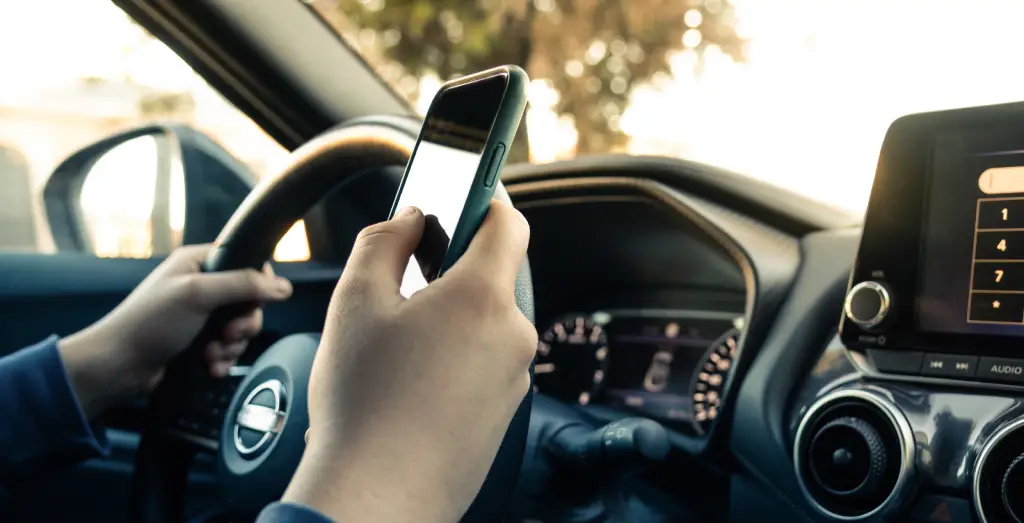
TL;DR: California has strict laws about cell phone use while driving to reduce distractions and improve road safety. While talking on a cell phone is legal if you’re using hands-free technology, holding your phone while driving is not. This blog breaks down what drivers can and can’t do under the California cell phone driving laws.
- California prohibits holding a phone while driving—use hands-free or voice commands instead.
- Texting while driving is always illegal, even when stopped at red lights.
- Drivers under 18 may not use a phone at all, even hands-free.
- Using your phone while driving can result in fines, liability in accidents, or worse.
- Tips are provided to avoid distractions and stay compliant with cell phone use while driving laws.
Stay safe and informed—your attention on the road could save a life.
In today’s always-connected world, it’s tempting to pick up your phone while behind the wheel. Whether it’s answering a quick call, replying to a message, or checking GPS, many drivers use their phones without thinking twice. But in California, cell phone use while driving is not only dangerous—it’s heavily regulated by law.
If you’re wondering what’s legal and what’s not, you’re not alone. Here’s what you need to know about California cell phone driving laws, what’s considered illegal, and how to protect yourself (and others) on the road.
California Cell Phone While Driving Law: What It Says
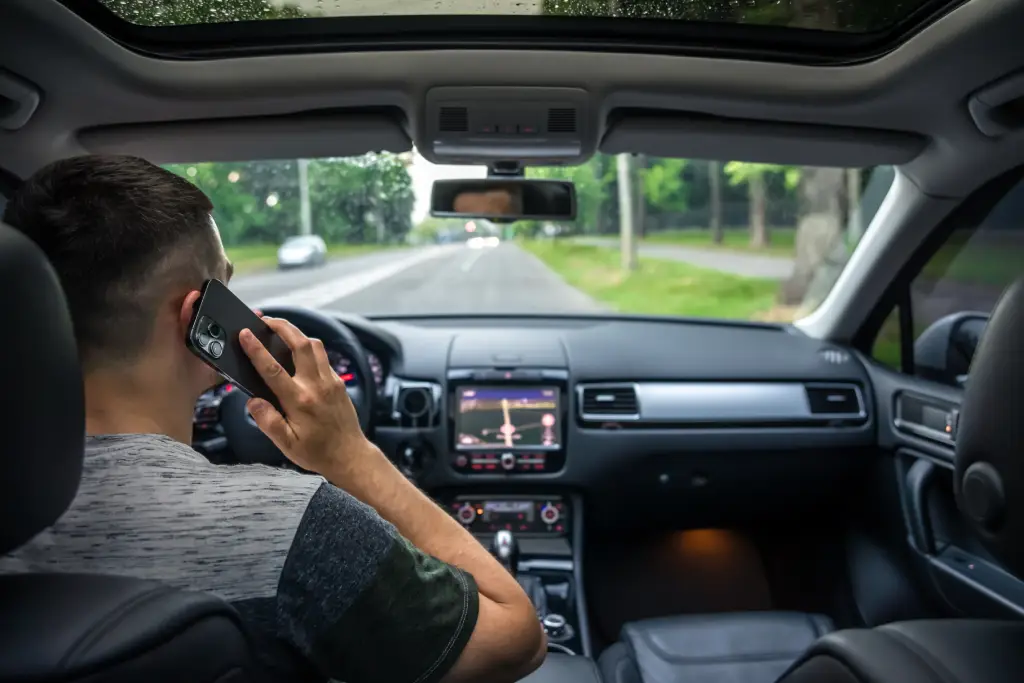
The California cell phone while driving law is clear: drivers are not allowed to hold a phone or electronic device while driving. This includes talking, texting, scrolling, or any activity that requires your hands.
Under California Vehicle Code Section 23123, drivers can only use their phone in a hands-free manner, such as via voice commands, Bluetooth, or dashboard mounts.
Key points of the law:
- You cannot hold your phone to your ear while driving.
- You can talk on a cell phone using hands-free technology.
- You cannot text while driving—even at a red light.
- You can use a single tap or swipe to activate or deactivate a feature, such as answering a call.
The goal is to minimize drivers distracted by their devices. Anything that takes your eyes off the road for even a few seconds increases the risk of an accident.
Is Talking on a Cell Phone Illegal?
Talking on a cell phone is not illegal—as long as it’s done hands-free. You can use a Bluetooth headset, integrated car system, or voice assistant like Siri or Google Assistant to make or receive calls.
However, if you’re holding the device while driving, even briefly, it’s a violation of the cell phone driving laws California enforces.
And for drivers under 18, the laws are even stricter: no phone use at all, even hands-free.
Violations typically result in a base fine of $20 for the first offense and $50 for subsequent offenses, but with added fees and penalties, it can cost much more. Worse yet, distracted driving can lead to collisions, injuries, and even fatalities.
The Dangers of Phone Use While Driving
The laws exist for a reason. Phone use while driving—whether talking, texting while driving, or checking directions—creates a significant safety hazard.
Why it’s dangerous:
- Eyes off the road: Looking at your phone for 5 seconds while going 55 mph means you’ve driven the length of a football field blind.
- Hands off the wheel: Holding a phone limits your ability to react in an emergency.
- Mind off driving: Even voice-to-text or calls can take your focus away from traffic conditions.
According to the National Highway Traffic Safety Administration (NHTSA), distracted driving claimed over 3,500 lives in 2021 alone. And cell phone use while driving laws aim to reduce these numbers.
The California Office of Traffic Safety has reported that phone-related distractions are a leading cause of crashes, especially among young drivers.
Texting While Driving Is Always Illegal
One of the most dangerous behaviors behind the wheel is texting while driving. California law makes it explicitly illegal, with no exceptions for red lights or stop signs.
Texting involves all three types of distraction:
- Visual (looking at the screen)
- Manual (typing with your hands)
- Cognitive (thinking about the message, not the road)
That’s why texting while driving is considered one of the most high-risk activities you can do on the road.
Exceptions and Special Cases
There are a few limited exceptions to device while driving rules:
- You can use your phone while parked in a safe location (not while stopped at a red light or stop sign).
- Emergency responders are generally exempt while performing official duties.
- Using factory-installed systems (like in-dash GPS or media) is allowed, as long as they are safely mounted.
However, any phone use while driving that interferes with your attention can still be considered negligence in a traffic incident or personal injury claim.
What If You’re Involved in an Accident?
Using your phone while driving—even if you weren’t at fault—can complicate matters if you’re in a crash. Insurance companies may try to pin the blame on you for being distracted.
If another aggressive driver causes a crash while distracted, they may be liable for property damage, injuries, or worse. In serious cases, such as when road rage incidents or reckless driving are involved, victims may be entitled to compensation.
Tips to Avoid Cell Phone Distraction While Driving
Here’s how to stay compliant with the California cell phone driving laws and stay safe:
- Use Bluetooth or voice commands for hands-free operation.
- Mount your phone on the dashboard if using it for GPS.
- Set your destination or playlist before you begin driving.
- Pull over safely if you must make a call or send a message.
- Enable Do Not Disturb mode while driving to block notifications.
The Bottom Line on Driving While Using the Phone
California cell phone driving laws are designed to reduce preventable crashes caused by distracted drivers. While talking on a cell phone using hands-free technology is allowed, holding your phone, text messaging, or interacting with it in any way while driving is illegal.
The best rule? Keep your eyes on the road, your hands on the wheel, and your mind on driving.
If you’ve been involved in an accident involving distracted driving, especially one caused by texting while driving, you may have legal options. Consider contacting a personal injury attorney at The May Firm to help you understand your rights and pursue compensation.